
How to Save Money on Professional Landscaping
August 12, 2025
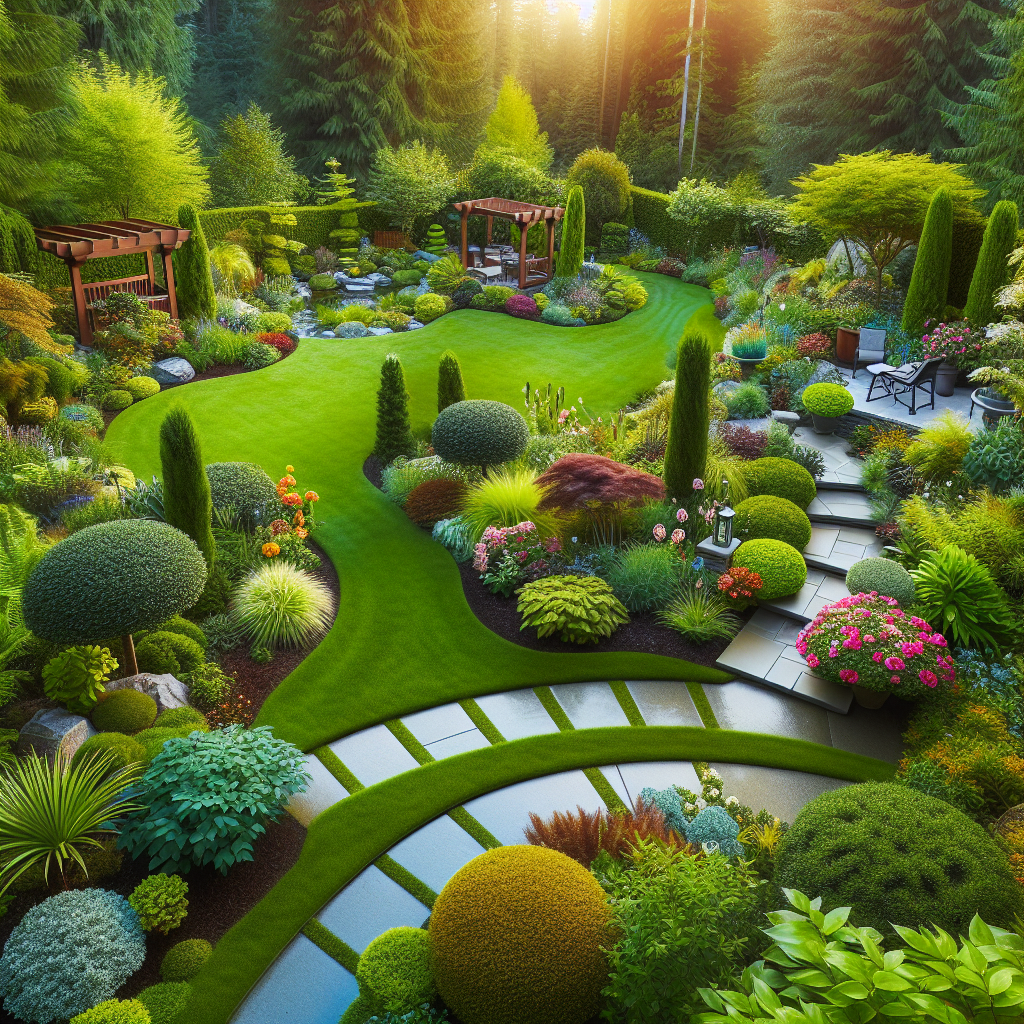
Why Saving Money on Professional Landscaping Matters to Homeowners
Landscaping can boost curb appeal, enrich outdoor living, and increase property value, but professional services are often seen as expensive.
Many homeowners want a beautiful yard while also keeping costs under control and maintaining their investment for the long haul.
Finding the right balance between DIY lawn care and professional help is a key way to manage costs and get the results you want.
Which Landscaping Tasks Can Homeowners Handle Themselves?
Simple lawn care, gardening, and seasonal upkeep are great ways for homeowners to save money on their landscaping.
Tasks like regular mowing, edging, watering, and raking leaves can be done weekly using a reliable mower like the Honda HRN216VKA or a basic Fiskars garden rake.
- Pruning small shrubs with Fiskars Pruning Shears
- Weeding flower beds and using a pre-emergent weed control such as Preen
- Mulching around garden beds to conserve moisture and discourage weeds
- Planting low-maintenance groundcovers such as creeping thyme (for sun) or pachysandra (for shade)
- Checking for early signs of pests and treating with solutions like Safer Brand Insect Killing Soap
Purchasing a high-quality hose timer such as the Orbit B-Hyve helps avoid overwatering and saves money on your water bill.
For routine feeding, using organic fertilizers like Espoma Plant-Tone keeps plants healthy with minimal cost.
How Smart Plant Selection Lowers Maintenance Costs
Selecting native or regionally resilient plants significantly reduces the need for extra water, fertilizers, and pesticides.
These plantings are better adapted to local conditions and naturally thrive with less care.
- In the Midwest, try Black-eyed Susan (Rudbeckia), Little Bluestem, or Purple Coneflower (Echinacea)
- In the Southeast, choose Oakleaf Hydrangea, Muhly Grass, or Coreopsis
- In dry Western states, look for Russian Sage, Agave, or California Poppy
Search for your USDA hardiness zone and select varieties proven for your climate, which minimizes plant loss and replacement costs.
Replacing thirsty turf grass areas with drought-tolerant plantings or clover can reduce mowing and irrigation needs each season.
Timing Landscaping Projects for Maximum Savings
Many professional landscapers offer discounts for projects scheduled outside the peak spring rush, such as late summer or fall.
Planting trees and shrubs in autumn often leads to stronger root growth and less watering since the weather is cooler and wetter.
Mowing and fertilizing in early spring or late fall builds lawn health and reduces the risk of weeds overtaking your yard, saving money on future weed control.
Planning mulching projects in late winter or early spring helps beds retain moisture and prevents weed seeds from sprouting, saving time and labor later in the year.
Essential Tools and Products Worth the Investment
Spending a little more on efficient tools and quality products can result in lower costs over time by making maintenance tasks easier.
- Battery-powered blowers like EGO Power+ LB6504 quickly clear leaves and debris
- Aerator tools such as the Yard Butler ID-6C for improved soil health annually
- Drip irrigation kits from Rain Bird for beds and vegetable gardens (reducing water costs)
- Long-lasting woven landscape fabric like Dewitt Pro 5 for weed suppression beneath mulch
- Mulch delivered in bulk, such as from local suppliers or Home Depot, to save compared to bagged options
Choosing the right products at the start reduces the need for repeat purchases and can make DIY projects more successful, minimizing the need for expensive corrections later.
When Does Professional Landscaping Provide the Most Value?
Certain landscaping tasks require skills, equipment, or horticultural knowledge that are beyond the reach of most homeowners.
Professional landscapers are best suited for complex projects like designing drainage solutions, building patios or retaining walls, and selecting plants for specific microclimates.
Installing irrigation systems, tackling large tree work, or laying sod over wide areas nearly always deliver better, longer-lasting results when completed by a qualified expert.
- Yard re-grading and drainage planning to prevent water pooling and foundation issues
- Integrated landscape lighting design, using products from brands like Kichler or FX Luminaire
- Custom pathway, patio, or stonework installations using Belgard pavers or Unilock bricks
- Safe tree pruning or removal with proper insurance and equipment
- Complex planting schemes that require precise spacing, soil amendments, or deer-resistant selections
Hiring a professional ensures the right permits are obtained and that all safety codes are followed—especially for electrical work or heavy machinery use.
This means less risk of expensive mistakes, injury, or the need to redo work later on.
How to Decide Between DIY and Hiring a Pro?
Evaluating your landscaping needs, available time, and skill level helps you determine when to take on a project yourself and when professional help is the wiser choice.
Simple planting or maintenance tasks are cost effective for most homeowners, but design-driven projects often benefit from a professional approach.
If you are unsure about soil quality, drainage, or plant selection, a landscape designer can prevent costly errors and wasted effort.
Major upgrades such as outdoor kitchens, fire pits, pergolas, or retaining walls are most efficient when handled by experienced crews with the proper licensing and warranties.
- DIY is typically best for straightforward gardening, mulching, and lawn mowing
- Consult a pro for soil testing, detailed design, major construction, or specialty installations
Access to the right machinery—such as skid steers, augers, or compactors—can be expensive to rent, so professional landscapers can actually lower your overall project cost for larger jobs.
Typical Costs: DIY vs Professional Landscaping Services
Staying within budget often means comparing what tasks cost in time, money, and expertise.
Mowing your own lawn with a quality push mower costs around 300 upfront, with ongoing expenses for fuel and occasional blade sharpening, but hiring a regular mowing service averages 40 to 60 per visit depending on yard size.
DIY flower bed installation, including plants, mulch, and fertilizer, often ranges from 6 to 15 per square foot, depending on the species and products you choose, while professional installation may range from 20 to 40 per square foot with guaranteed results.
Sod installation for a basic 1,000 square foot area may cost 500 to 800 in materials, but using a professional service could run 1,500 to 2,000, with the added value of perfect grading, soil conditioning, and warranty on turf health.
For custom patio or walkway installations, materials like Belgard or Unilock pavers cost 6 to 15 per square foot for DIY (not including tools), while professional installs often start at 18 per square foot, scaling up with design complexity and soil conditions.
Complex irrigation systems from Rain Bird or Hunter can exceed 1,500 to 3,500 when professionally installed, but offer long-term water savings and reliability compared to less-efficient DIY solutions.
Seasonal Adjustments for Maintaining Curb Appeal on a Budget
Routine seasonal tasks go a long way in keeping your landscape investment healthy and attractive without large expenses.
In spring, focus on dethatching, early planting of perennials, and pre-emergent weed control such as Preen to prevent issues later in the year.
In summer, mowing high, mulching garden beds, and spot watering with timers protects plants from heat stress and reduces water bills.
During autumn, aerate your lawn, apply slow-release fertilizer, and plant bulbs like daffodils for early spring color.
Winter prep includes cutting back ornamental grasses, applying mulch to protect roots, and cleaning tools for next year.
These small efforts build up over time and significantly cut down on the need for costly interventions or replacements later.
Regional Recommendations: Choosing Plants That Last
Success in landscaping comes from choosing varieties that thrive in your climate with minimal intervention.
- Northeast: Try Red Twig Dogwood, American Holly, or Astilbe for dependable structure and color
- Midwest: Switch Grass (Panicum virgatum), Butterfly Weed, and Daylilies hold up to temperature swings and drought
- Pacific Northwest: Go for Vine Maple, Sword Fern, or Rhododendron for rain tolerance and lush foliage
- Southwest: Use Lantana, Desert Willow, or Blue Fescue for dry heat and low maintenance
- Southeast: Sago Palm, Camellia, and Azaleas provide seasonal blooms and handle humidity well
Check with local cooperative extension offices or reliable garden centers like Armstrong Garden Centers or Pike Nurseries for region-specific advice and plant guarantees.
These partnerships help you get the most out of your landscaping dollars by reducing plant loss and maintenance headaches.
Professional Landscapers: Peace of Mind with Expert Results
Beyond early cost savings, hiring a professional landscaper brings benefits you may not see right away—but will notice for years to come.
Designers create cohesive plans that factor in sun exposure, soil type, wildlife, and maintenance needs to keep your new yard thriving.
They install plants and features correctly from the start, making sure roots establish well, drainage works as intended, and structures withstand the weather.
- Warranty coverage for shrubs, trees, sod, irrigation systems, and hardscapes
- Access to commercial-grade materials and rare or mature plant specimens
- Automatic seasonal tune-ups, with experienced crews handling fertilizer, pruning, pest treatments, and soil amendments
- Ongoing care plans that adapt with the age and needs of your landscape
If you want to ensure your investment grows in value and beauty, now is the time to find a qualified landscaper for your next project or seasonal refresh.
Maximizing the Value of Your Landscaping Investment
Making thoughtful choices about what to tackle on your own and where to bring in a professional helps you enjoy a beautiful landscape within your preferred budget.
By handling basic tasks and routine maintenance personally, you save on labor costs and gain valuable experience caring for your property.
Strategic use of durable tools, smart irrigation options, and well-matched plants leads to lower long-term expenses and fewer headaches down the road.
Working with professionals for design-driven projects, complex builds, or major installations ensures all components fit well together, last longer, and add real value to your home.
Licensed landscapers follow legal and safety requirements, provide access to advanced products and construction techniques, and deliver warranties for extra peace of mind.
If you ever feel overwhelmed or want results that truly elevate your outdoor space, it makes sense to connect with local landscaping professionals who understand your region and budget goals.
Landscaping as a Lasting Home Improvement
Investing in your yard is about more than looks—it creates welcoming spaces for family, increases curb appeal, and contributes to your neighborhood’s value as well.
Healthy landscapes provide cleaner air, better drainage, and safe areas for kids and pets while reducing energy costs through natural shade and windbreaks.
Choosing the right blend of DIY care and expert guidance lets you build a landscape that grows more attractive each year, without financial stress.
With realistic planning, smart product choices, and the reassurance of professional expertise where it counts, you can achieve a lush, enjoyable outdoor environment that stays beautiful—and affordable—season after season.
Find Local Landscaping
Need professional help? Find trusted landscaping in your area.
If you run the business
There is landscaping & grounds work out to bid right now that you are not seeing.
Schools, cities, counties and housing authorities put this work out to public bid every week. Most companies never see it, and the ones they do see turn up three days before they close. We find the ones you could win, tell you why each one fits, and write the response. You price it and you sign it.
Twenty minutes. You'll see what's open right now for a business like yours, and you'll know whether it's worth chasing. No obligation either way. Not for you? It's all good.