
Why Your Landscape Lighting Needs an Upgrade
August 11, 2025
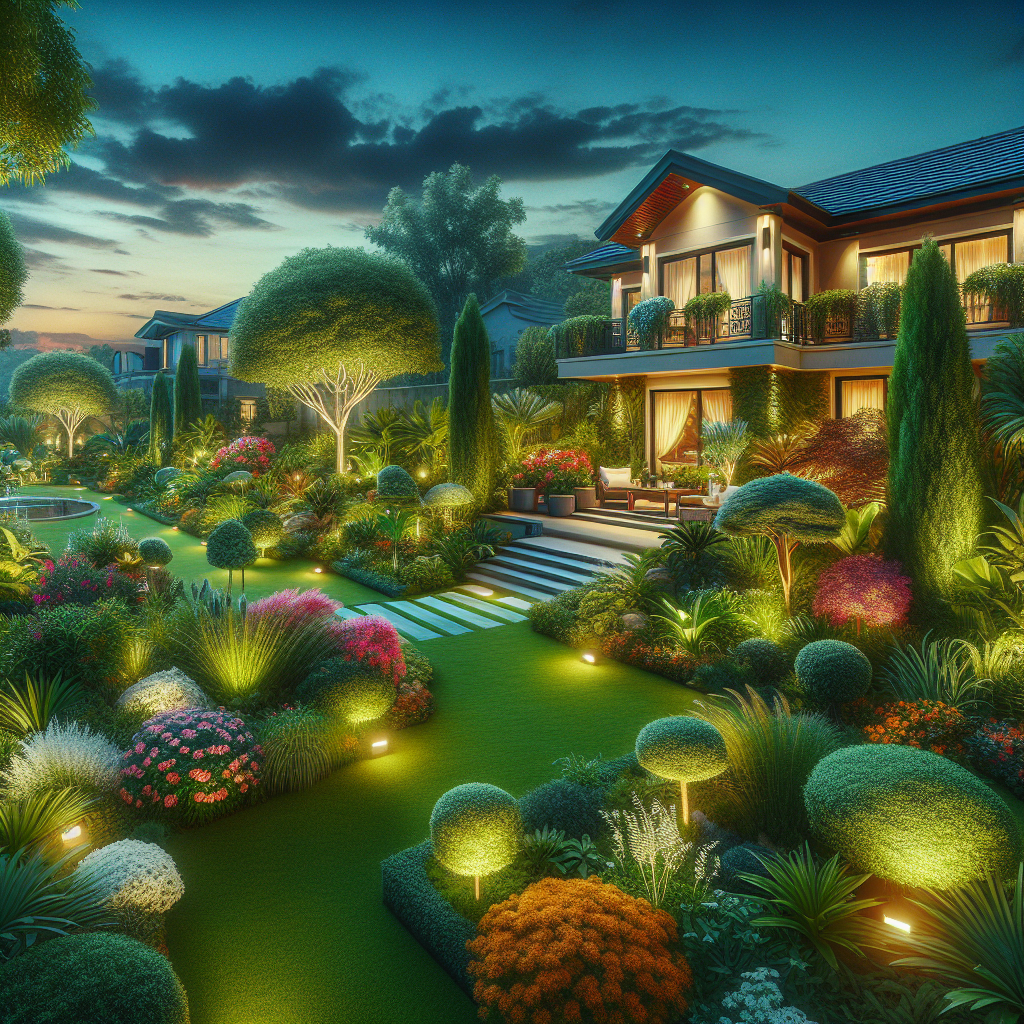
Are Outdated Lights Limiting Your Landscape
Many homeowners overlook how aging or basic outdoor lighting can dull even the best landscaping work.
Harsh spotlights, unreliable solar stakes, or faded fixtures make gardens look flat and limit how you use your yard at night.
Updated landscape lighting instantly increases home value and creates inviting spaces for relaxing or entertaining.
New technology allows you to highlight flower beds, pathways, trees, water features, and architectural details, turning any yard into a showpiece after sundown.
If your lights are more than five years old, yellowing, or barely reach half the garden, you are missing out on both beauty and security benefits.
What Can Homeowners Upgrade Themselves
Simple lighting improvements are easy for most homeowners to try before hiring a pro.
Replace tired, dim bulbs with energy-saving LEDs—Philips, GE, and Cree offer outdoor-rated options in warm white and daylight tones.
Add solar-powered accent lights to highlight small shrubs or line driveways; check brands like Gama Sonic or Ring for durable picks.
Keep fixtures clean and free from debris—wash glass covers in spring and replace cracked housings for safety and reliable light spread.
Create atmosphere by tucking spotlights under mature hydrangea, planting soft-glow lanterns near seating, or using color-changing bulbs from Hue to add variety for special occasions.
- Check local stores for wet-rated, corrosion-resistant fixtures if you live in a humid or coastal region.
- Install timers or smart plugs to automate lights after dusk, making evening routines effortless and your home appear lived in.
- In colder zones, choose frost-resistant solar lights or low-voltage systems for better performance year-round.
Regularly trim grasses and clean mulch from around fixtures to prevent overheating and extend the lifespan of your lights.
When Does Professional Installation Make Sense
Larger lighting projects quickly become complex and require technical skill for safe, enduring results.
If you plan to illuminate big trees, stone walkways, multi-level terraces, or have electrical circuits that need upgrading, this is the time to call in a pro.
Professionals use commercial-grade transformers and burial-rated wiring to ensure safety and code compliance, which is critical for wet locations.
They offer design experience, creating layered effects and balancing functional safety lighting with dramatic landscape highlights.
You will benefit from expert plant selection, especially for focal trees or beds where lighting can stress delicate species—ask for advice on combining shade-tolerant native ferns with uplighting, or using hardy ornamental grasses like Karl Foerster Feather Reed Grass around well-lit paths.
High-quality installations typically range from 2500 to 7500 dollars depending on lot size, fixture materials, and system complexity, but deliver long-term durability and low energy bills.
If you are ready to discuss a full lighting plan, it is easy to connect with local landscaping professionals who specialize in design, installation, and ongoing maintenance.
Which Plants and Lights Go Together for Beautiful Results
Pairing the right plants and lighting fixtures brings any yard to life, but requires understanding plant height, spread, and local climate.
Warm climates like California or Texas benefit from LED path lights nestled around drought-tolerant Agave, Lavender, or Lantana.
Midwest gardeners can highlight ornamental maples, Ninebark, and hostas with adjustable well lights from Kichler or Hinkley Lighting.
Southeast regions love the look of uplighting on Crepe Myrtle or Camellias, with pathway lights illuminating borders of Azaleas and boxwood.
Cooler areas—think New England or Pacific Northwest—should focus on lighting near Rhododendron, Ferns, Hellebores, or Japanese Forest Grass for lasting impact through misty evenings and longer winters.
- Use spotlights for dramatic shadows on mature tree trunks or tall grasses.
- Install low-profile deck or step lights to prevent trips on stone or wood stairs.
- Solar pathlights work well for small yards but consider low-voltage wired systems such as Volt or FX Luminaire for reliable coverage across bigger properties.
If you are unsure which plants will thrive in your zone, a landscaping professional can recommend combinations that will look beautiful illuminated while also being easy to maintain.
How Seasonal Changes Affect Lighting and Plant Health
Seasonal weather has a big impact on your landscape lighting system and plant selections.
Spring is ideal for installing or upgrading lights before new growth shades fixtures or buries wiring—schedule maintenance in March or April so your garden is ready for summer evenings.
Summer means longer days, but it is smart to adjust light timers and check for heat damage on fixtures or wiring, especially if pets or kids play outdoors regularly.
Autumn brings opportunities to showcase fall foliage and highlight late bloomers like Aster, Sedum, or Panicum grasses—adjust lighting angles as canopies thin out to maintain optimal effect.
In winter, clear snow and debris from fixtures, reduce timer hours to save electricity, and check connections for moisture to prevent electrical faults.
Native plants chosen for your region are usually hardier under lights, but sensitive perennials may need shading from harsh spotlighting or extra mulch around illuminated trunks to prevent frost damage.
Professionals understand these seasonal shifts and can design lighting plans that work with the rhythms of your local climate for year-round enjoyment.
Signs Your Current Landscape Lighting Needs Replacing
If your garden lighting flickers, shuts off unexpectedly, or shows corrosion at connections, it is likely nearing the end of its lifespan.
Fixtures cracked by weather, sun-bleached plastics, and stubbornly dim bulbs all indicate it is time for a refresh.
Lights that lean, sink after rain, or regularly collect water inside lenses can damage nearby plants and pose a safety risk for your family and guests.
Algae growth, rust, and snipped or exposed wires signal immediate attention is needed to prevent larger issues.
- Look for pools of water around wired connections after storms.
- Inspect lights for animal damage—squirrels and raccoons frequently chew on non-armored wires.
- Test all remote controls and smart features; nonresponsive controls could mean deeper electrical problems or out-of-date hardware.
Addressing these issues early saves money on urgent repairs and keeps your landscape looking its best.
What to Expect When Upgrading With a Professional
Hiring a landscaping expert ensures that each fixture is placed purposefully for aesthetics and function.
Pros use CAD software and light mapping to design balanced lighting plans based on your garden’s layout and preferred uses.
Expect an initial walk-through where your goals and concerns are discussed—this helps identify dark spots, security risks, and areas that should remain undisturbed, like vegetable beds or pet zones.
Professionals will recommend fixture materials that suit your climate—copper or brass for salt air, stainless steel for extreme cold, heavy-duty thermoplastics for high rain zones.
They will also advise on compatible control systems, whether you want smartphone integration with models like Ring Pathlights, classic dusk-to-dawn automation, or voice-controlled Alexa-compatible outdoor switches.
A reputable installer includes system testing, warranty coverage, and detailed instructions for seasonal adjustments as part of your package.
Expect installation time to range from one day for smaller yards to up to a week for larger properties with multiple lighting zones or complex wiring.
Project costs vary—budget about 35 to 75 dollars per fixture for basic upgrades, and invest up to 150 dollars each for advanced color-changing or smart lighting options.
Simple Maintenance Tasks to Keep Your Lighting Working Beautifully
Maintaining your new or upgraded landscape lighting is easy with a regular seasonal routine.
Every month, check for soil erosion or shifting mulch that may expose or bury wires—replace lost soil or rebury wiring as needed.
Clear grass and fallen leaves from around lights to prevent overheating and ensure light reaches all intended areas.
Gently wipe down glass or acrylic lenses with a soft cloth and mild soapy water—avoid harsh chemicals that could cloud or crack covers.
Trim shrubs, perennials, and ornamental grasses that block light from fixtures, particularly after periods of fast growth in spring and early summer.
Test your lighting system’s timers and smart controls every season, especially after a power outage or system update.
Replace burnt-out bulbs promptly—matching color temperature and lumen output keeps lighting uniform and visually appealing.
Upgrading to LED: Why It Makes a Difference
Modern LED garden lighting dramatically reduces your electric bills and requires less frequent replacements, saving you time and money each year.
LED bulbs stay cool, reducing risk to delicate plants like hostas or ferns even with close placement.
Install Energy Star rated models for maximum efficiency—Philips and Cree offer long-lasting options that withstand harsh outdoor weather.
Smart LEDs from Philips Hue, Brilliant Evolution, and Ring let you customize colors and schedules, creating a tailored look for holidays and events all year.
Switching from halogen or incandescent bulbs to LED can lower your overall landscape lighting energy usage by up to 80 percent, turning a dark yard into a welcoming, eco-friendly oasis.
Regional Factors in Planning Your Upgrade
Your local climate, soil makeup, and common pests all affect which lighting upgrades will last and look great in your yard.
Homes in coastal states like Florida or the Carolinas need salt-resistant fixtures and should avoid exposed steel or non-sealed metal finishes.
Desert Southwest yards need lights rated for extreme heat—look for UV-resistant housing from brands like Volt for fixtures that will not discolor or crack in direct sun.
Pacific Northwest gardens benefit from moss-proof glass and sealed gaskets on fixtures to keep out heavy rain and fog.
Wind-prone areas in the Midwest or Plains should use heavy, staked fittings to keep lights upright through spring storms and high gusts.
Choosing the right materials and designs for your climate not only keeps repair bills down, it also ensures your garden looks beautiful every evening, year after year.
How Upgraded Lighting Boosts Home Security and Property Value
Smart, professionally designed lighting deters trespassers and makes your property safer for family and friends after dark.
Well-lit pathways, patios, and driveway entrances reduce the risk of tripping and accidents, especially for young children and older adults.
Security brands like Ring and Arlo offer integrated motion sensor lights and cameras, so you can combine beautiful landscape lighting with live security monitoring and alerts to your phone.
LED fixtures that highlight architectural details and mature trees make a home stand out on the block and can increase curb appeal and resale value.
Many real estate agents report that properties with upgraded outdoor lighting sell faster and command higher prices, especially in established neighborhoods or competitive housing markets.
Investing in quality lights and expert installation is a smart way to add lasting value and peace of mind to your home.
What to Ask Before Hiring a Landscaping Professional
To get the best results, prepare a list of questions for any landscaping pro you may hire for lighting upgrades.
Ask for proof of licensing and insurance, and check reviews from recent clients who had similar lighting work completed.
Request photos of other projects using plant and lighting combinations suited to your area, so you can visualize what works best for your space.
Find out who will do the actual installation—some companies use subcontractors, while others have in-house crews with years of experience.
Discuss warranty details, system support, and whether ongoing maintenance visits are available for your lighting system during each season.
If you have pets or children, let the professional know up front so they can use pet-safe, tamper-resistant fixtures and recommend low-profile lights or protected wiring.
Being thorough in these early conversations ensures a collaborative experience, leading to a safer, more beautiful property for years to come.
The Lasting Benefits of Choosing Professional Guidance
While basic upgrades are rewarding DIY projects, investing in a certified landscaping professional brings years of insight and technical knowledge to your home improvement plan.
Lighting design requires understanding both the aesthetic impact and the biological needs of your plants, as well as local electrical codes and safety best practices.
Professionals have access to advanced tools and lighting products not always available at home centers, and they factor in drainage, soil conditions, sun exposure, and security needs during their design.
If you are ready for a tailored solution that maximizes your home’s night-time beauty, safety, and value, you can find a qualified landscaper for a seamless upgrade and ongoing maintenance support.
Easy Ways to Keep Your Lighting System Looking Fresh
Checking your outdoor lighting each season will keep your garden glowing bright and problem-free.
Walk your property monthly to spot loose wires, tilted fixtures, or bulbs needing replacement, which can all be solved in just a few minutes.
Dust, pollen, and insect nests will cloud lenses and reduce brightness, so clean with a soft cloth and gentle soap, never abrasive cleaners.
If your system uses smart controls, periodically update settings or check for software updates through your phone app to keep automation running smoothly.
After heavy storms or winter thaw, look for water pooling near fixtures or mulch washing away, which can expose wiring and create hazards if not quickly addressed.
Regular maintenance helps you get the most from your investment and prevents small issues from turning into major repairs later.
Why Ongoing Professional Maintenance Protects Your Investment
While DIY upkeep is useful for bulb changes and surface cleaning, professional service extends the life of your investment through deep checks and preventive care.
Landscaping professionals inspect buried wires, transformers, and connections for age or weather damage that is easy to miss without specialized tools.
They adjust lighting for plant growth so your garden always looks balanced, swapping bulbs for higher or lower wattage where shadows change seasonally.
If a fixture is failing or your control system is glitchy, an expert has access to the latest brands and can suggest energy-efficient replacements that blend seamlessly into your existing system.
Many homeowners choose annual or semi-annual maintenance plans, which typically range from 150 to 500 dollars for a midsized property and include priority emergency response if a light goes out unexpectedly.
This approach maximizes your system’s reliability and keeps your home looking its best every evening.
Common Mistakes to Avoid When Upgrading
Choosing the right system the first time prevents costly fixes and frustration down the road.
Avoid lights that are not wet-rated or made for outdoor use, as these break down quickly in rain, snow, or direct sun.
Over-lighting can wash out your landscape or annoy neighbors—ask for help planning the right number of fixtures for your garden size and style.
Skipping waterproof wire connectors often leads to flickering, shorts, or even fire risk, especially in areas with heavy rainfall or irrigation systems.
Improper spacing leaves patches of darkness or uneven coverage, so review recommendations from trusted lighting brands like Kichler or FX Luminaire when mapping your layout.
If you try a DIY install but get stuck, do not hesitate to connect with local landscaping professionals so your project stays safe and looks professionally finished.
Planning Ahead for Emerging Lighting Trends
Modern outdoor lighting is not just about brightening up a path—it includes smart technology, new finishes, and sustainable solutions for today’s homeowners.
Wireless and Bluetooth-enabled systems from brands like Philips Hue Outdoor or Ring offer flexible control and integration with your home’s other devices.
Solar-powered spotlights now outlast older options, making them a popular choice for eco-conscious families, especially in sunny regions like Arizona or Southern California.
Color-changing LEDs allow you to set the mood for different occasions—from subtle warm tones for winter to bright, festive colors for backyard parties in the summer.
Mixed material designs such as powder-coated aluminum with stone or wood accents blend with any landscape style, from modern minimalist to classic cottage gardens.
If you want your lighting to adapt with your lifestyle, a professional can suggest upgrade paths and show you interactive demos to help you feel confident in your choices for years to come.
How to Start Your Landscape Lighting Upgrade Today
If you are inspired to enhance your property, begin with a quick assessment: walk your garden at night, note dark spots, and test all current fixtures to see which ones truly serve your needs.
Freshen up with new LED bulbs or pathlights, but remember, dramatic upgrades or integrated systems offer the best results when custom-designed for your space and climate.
Getting quotes is easy—local professionals will review your goals, suggest plants and fixtures that suit the seasons, and take care of installation from start to finish while ensuring all codes and warranties are covered.
You can find a qualified landscaper who specializes in outdoor lighting and garden transformation for a seamless process that adds comfort, beauty, and value to your home.
With the right lighting plan and expert support, your yard will be ready for family gatherings, enchanted evenings, or simply a peaceful walk under the stars all year long.
Find Local Landscaping
Need professional help? Find trusted landscaping in your area.
If you run the business
There is landscaping & grounds work out to bid right now that you are not seeing.
Schools, cities, counties and housing authorities put this work out to public bid every week. Most companies never see it, and the ones they do see turn up three days before they close. We find the ones you could win, tell you why each one fits, and write the response. You price it and you sign it.
Twenty minutes. You'll see what's open right now for a business like yours, and you'll know whether it's worth chasing. No obligation either way.