
How to Fix Drainage Problems in Your Yard
August 11, 2025
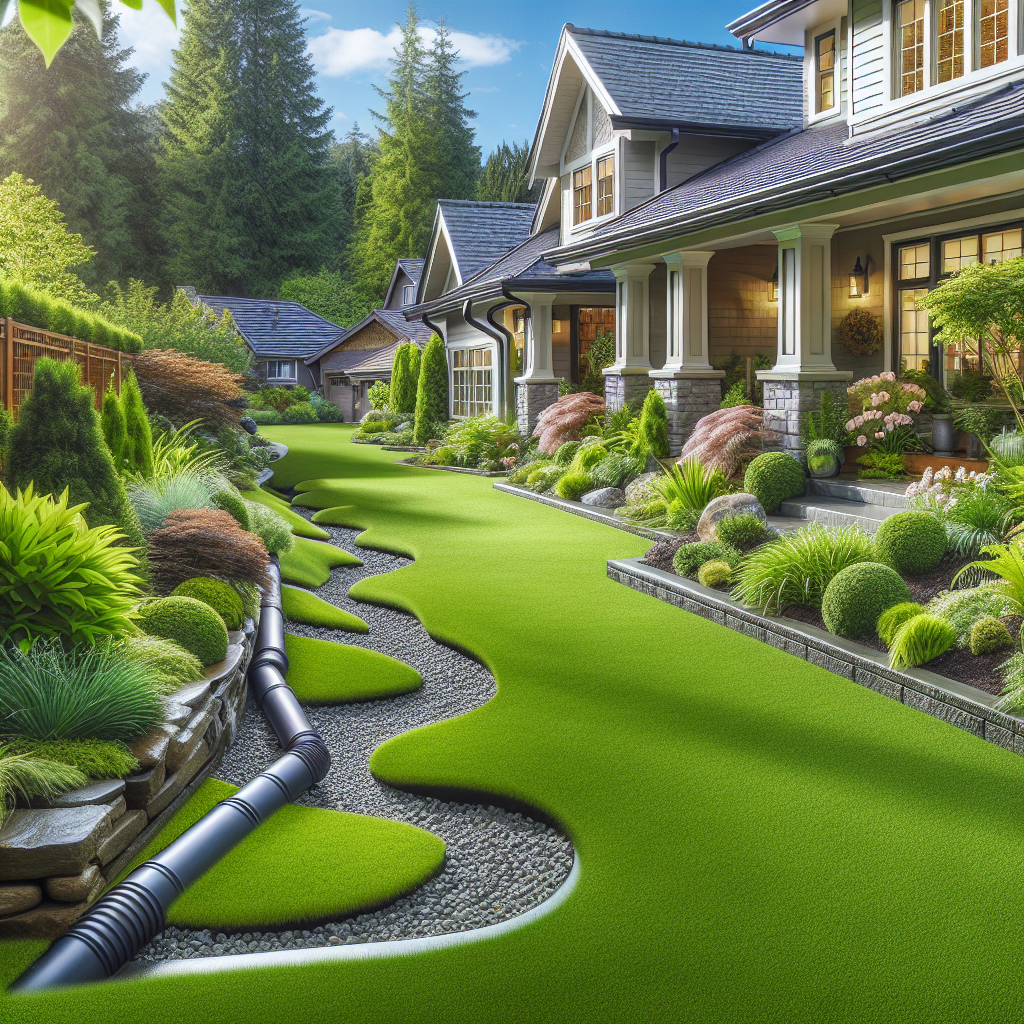
What Causes Drainage Problems in Residential Yards?
Poor yard drainage is a frequent challenge for many homeowners and can lead to soggy lawns, standing water, root rot, and even foundation damage.
Most issues stem from compacted soil, improper grading, high water tables, clogged gutters, or poorly planned landscaping features.
Shaded areas that stay wet after rain, or visible puddling along walkways and patios, are the first warning signs.
It is important to act quickly, as persistent drainage problems can weaken turf health and create a breeding ground for mosquitoes and pests.
DIY Steps for Improving Yard Drainage
Simple fixes can solve many minor drainage problems before you need bigger investments in your landscape.
- Test for compacted soil by pushing a garden fork into wet ground; if it resists, loosen it with aeration tools.
- Install extensions on downspouts to carry roof water away from the foundation by at least 6 feet.
- Create shallow surface swales lined with grass or stone to direct water away from problem areas.
- Plant water-loving native grasses like Muhlenbergia capillaris (Pink Muhly Grass), Carex species (Sedges), or Iris versicolor in persistent wet spots.
- Use mulch rings around trees to break up clay soils and encourage drainage without suffocating roots.
Weekly or monthly raking can help keep lawn surfaces healthy, which encourages better water infiltration.
Regularly remove lawn thatch and debris to prevent blocking the movement of water into soil layers.
Seasonal Strategies for Managing Water in the Landscape
Drainage requirements often change with local climate and seasons.
Spring and autumn rains can overwhelm compacted soil, while summer storms may wash away mulch or soil.
- Plan to aerate clay-based soils in the spring, using tools like the Yard Butler Manual Lawn Coring Aerator or renting a core aerator from Home Depot or Lowe’s.
- Apply mulch in late winter or early spring to reduce runoff and hold soil in place.
- In hot, humid areas, use drought-tolerant ground covers like Liriope muscari or Creeping Jenny (Lysimachia nummularia) to slow erosion and absorb excess moisture.
- For snowy regions, make sure snowmelt can drain away from structures by clearing paths and adding gentle grading to sloped beds.
Selecting region-appropriate plants is crucial; for instance, Pacific Northwest gardens benefit from sword ferns and rhododendrons in wet shade, while Southeast gardens may use Louisiana irises and bald cypress for swampy zones.
If your region has clay-heavy soils, soil amendments like Espoma Soil Perfector or expanded shale can help improve drainage and soil structure.
Recognizing When to Call a Landscaping Professional
If standing water does not resolve after several days, or if you see visible erosion, it is time to get expert support.
French drains, dry creek beds, rain gardens, or full-scale regrading require skills and equipment beyond standard homeowner projects.
Professional landscapers can create site-specific drainage plans that work with your homes layout and soil type, ensuring a lasting result.
Common signs you need expert help include visible soil washing away, foundation cracks, consistently saturated ground, or flooding in garden beds after moderate rain.
High water tables or complicated slopes may also mean you need specialty drainage solutions like sump pumps, underground piping, or smart irrigation controls.
If you are unsure how much to budget for professional help, French drain installations usually start around 2000 dollars for small yards and can range up to 8000 dollars or more for complex sites with grading or hardscape needs.
Basic grading and small dry creek beds can start at 1000 to 2500 dollars, depending on local rates, materials, and landscape access.
To find a qualified landscaper with experience in drainage, visit connect with local landscaping professionals for tailored recommendations.
The Extra Value of Professional Landscaping Services
Well-designed drainage systems not only prevent headaches—they can enhance the beauty and function of your entire property.
Professional landscapers offer a deep understanding of grading, soil biology, root systems, and flood prevention techniques.
They carefully select plant species that thrive in your climate, suggest eco-friendly drainage materials from brands like NDS and Rain Bird, and ensure lasting curb appeal.
Many companies also provide ongoing maintenance, checking that drains remain clear, plants stay happy, and your investment is protected through every season.
By working with a pro, you gain an outdoor space that stands up to every storm and remains a healthy, inviting retreat year-round.
Integrating Beautiful Drainage Solutions into Your Landscape
The best drainage systems are those that blend seamlessly with your overall landscape design.
Features like dry creek beds not only manage runoff but also add natural beauty using river rock, native grasses, and accent boulders.
Consider installing a rain garden planted with deep-rooted natives such as Butterfly Weed (Asclepias tuberosa) and Swamp Milkweed (Asclepias incarnata) to soak up excess water in low-lying parts of your yard.
These gardens can attract pollinators and brighten up areas that were previously damp and unsightly.
Permeable pathways using pavers from brands like Belgard or Unilock allow water to soak into the ground, reducing pooling while providing attractive, functional walkways.
If you have a sloped yard, consider terracing with natural stone or pressure-treated timber to slow water flow and create usable planting beds.
Professionals can help you incorporate rainwater harvesting barrels or underground tanks to capture roof runoff for future irrigation, reducing your water bills while protecting your landscape.
Well-planned drainage solutions can increase property value by improving both curb appeal and the health of your plants.
Planning for Future Growth and Maintenance
Addressing drainage is not just a one-time fix; it is an ongoing part of thoughtful landscape care and planning.
As trees and shrubs grow, their roots can change water flow, so seasonal inspections are vital to ensure no new problem areas have developed.
Keep an eye on mulch levels and replenish as needed to prevent soil compaction and erosion, particularly after intense storms.
Prune overgrown shrubs and trees in late winter or early spring to help sun and wind reach damp areas, promoting faster drying after rain.
For DIYers, regularly flush downspouts and check storm drains for blockages from leaves, sticks, or mulch debris—this quick habit prevents backups and prolongs the life of your drainage features.
If seasonal flooding or sogginess recurs, consult a landscaping professional for advice before making further investments.
Proper planning not only avoids costly repairs but also means your landscape can thrive even in wet weather.
Region-Specific Tips for Managing Drainage Challenges
Every region presents unique challenges when it comes to drainage, and choosing the right plants and materials makes a huge difference.
In the Midwest, Black-Eyed Susan (Rudbeckia hirta) and Blue Flag Iris (Iris virginica) resist occasional flooding and look vibrant throughout the summer.
For the Southwest, select xeric plants like Red Yucca (Hesperaloe parviflora) and Autumn Sage (Salvia greggii) that cope with both brief downpours and dry spells.
Homeowners in the Northeast can benefit from ferns such as Ostrich Fern (Matteuccia struthiopteris) and Daylilies (Hemerocallis) for moist, partly shaded zones.
In coastal areas, Saltmeadow Cordgrass (Spartina patens) and Sea Oats (Uniola paniculata) help control erosion and tolerate brackish water runoff.
Work with local extension offices or a professional landscaper familiar with your area to select the best options for your soil type and climate.
Matching your drainage strategy to your region not only solves water issues but also supports local ecosystems and reduces future maintenance needs.
How Drainage Improvements Benefit the Entire Property
Beyond preventing muddy patches and foundation risks, good drainage protects your lawn, garden, and hardscape investments long term.
Healthy root systems in lawns and flower beds rely on balanced moisture; too much water suffocates roots and invites fungal diseases like Pythium blight and root rot.
By fixing drainage, you prevent turf damage and minimize the need for costly sod replacement or chemical treatments later.
High-quality drainage solutions reduce mosquito breeding grounds, making outdoor spaces safer and more enjoyable for your family and pets.
Landscape lighting, patios, and walkways also last longer when excess water is properly directed away from edges and joints.
Every improvement you make for drainage is an investment in the overall beauty and function of your home landscape.
Evaluating Project Costs and Budget Considerations
Drainage project costs can range widely depending on the complexity of your yard and the solutions required.
DIY options like soil aerators, mulch, or downspout extenders can typically be handled for under 300 dollars per problem area, including tools and rental fees.
If your site requires significant excavation, French drain systems (installed by pros such as TruGreen or The Grounds Guys) often start at 2000 dollars for a basic install, with larger or more complex jobs climbing to 5000 dollars or more.
Homeowners can expect to pay 1000 to 2500 dollars for professionally installed dry creek beds, and 1500 to 3500 dollars for rain gardens built with carefully chosen plants and filter media.
Annual maintenance packages for drainage features typically cost 100 to 500 dollars, depending on the size of your yard and local service rates.
Keep in mind that high-quality installation pays off, as well-built systems are less likely to need costly repairs or rework down the road.
Connecting with a knowledgeable landscaper early in your drainage project helps you avoid hidden costs and ensures every dollar spent leads to lasting results.
Partnering with Local Experts for Lasting Outdoor Solutions
Landscaping professionals offer more than just labor; they bring design insight, horticulture training, and hands-on experience with site-specific drainage challenges.
Their advice on grading, soil amendments, and plant selection ensures that every yard improvement is both functional and beautiful throughout the seasons.
For projects that go beyond basic fixes, consider partnering with a qualified landscaper to protect your property, boost curb appeal, and enjoy peace of mind no matter how much it rains.
To get started, you can find a qualified landscaper who understands your local conditions and can tailor solutions specifically to your homes unique needs.
Enjoying a Healthier, Greener Yard through Drainage Improvements
Effective drainage not only solves persistent water issues but also sets the stage for lush lawns, thriving flowerbeds, and outdoor living spaces that welcome relaxation and entertainment.
Once moisture is under control, you will notice stronger turf growth, reduced weed problems, and consistently healthy perennials and shrubs.
Families and pets benefit from drier, safer play areas, while patios and garden features remain accessible and appealing all year long.
Transforming soggy, problem-prone zones into attractive gardens or entertainment spaces can make your backyard a favorite gathering place in any season.
Investing in the right drainage solutions turns your yard into a long-term asset, increasing satisfaction and raising the overall value of your property.
Steps to Take Before Starting Your Next Drainage Project
Before making changes, carefully walk your yard to spot areas that remain wet after rain or seem prone to erosion or runoff.
Note the locations of downspouts, walkways, garden beds, and slopes, as these all play a role in how water moves across your property.
Collect local rain and soil records if possible, and take photos during and after storms to help track problem spots over time.
Set a clear budget and decide which tasks are realistic to handle on your own, versus those that require experienced hands and equipment.
Consider scheduling soil tests or professional consultations for tailored advice on amending soil, selecting native plants, or solving complex drainage puzzles.
Gather input from neighbors or local gardening groups on what has worked well in your area, including favorite solutions, recommended service providers, or resilient plant varieties.
Creating Lasting Beauty and Function in Your Landscape
Yard drainage projects offer the chance to rethink and refresh your entire outdoor space—not just to solve problems, but to build a landscape you are proud of.
A thoughtfully installed rain garden or dry creek bed can anchor new planting beds, while hardscaped swales and permeable paths bring both structure and charm.
Combining function and form, these elements add visual interest, create wildlife habitat, and ensure that every rainfall brings out the best in your property.
Professionally designed solutions often open new possibilities, from illuminated walkways to pollinator gardens or rainwater harvesting for sustainable irrigation.
Planning with longevity in mind ensures your investment in drainage continues to pay you back with each season of growth and enjoyment.
How Ongoing Maintenance Supports Your Outdoor Investment
Even the best drainage system needs periodic checkups to stay effective, particularly after heavy storms or winter freeze-thaw cycles.
Regularly inspecting drains, grading, and plantings helps catch small problems before they turn into expensive repairs or landscape damage.
Mulch replenishment, storm debris removal, and seasonal pruning support balanced moisture levels and keep your yard tidy and functional.
Consider working with a landscaping service for annual or semi-annual checkups if your yard has extensive drainage features or plantings, as this ensures everything continues to operate as designed.
Many professional landscapers offer maintenance agreements that bundle drainage inspections with routine lawn and garden care for added value.
Why Professional Expertise Makes a Difference in Drainage Success
Every home and yard is unique, and drainage solutions that work for one property may not suit another.
Certified landscapers consider the full ecosystem—from soil type and rainfall patterns to existing trees, garden style, and even local wildlife—when recommending a plan.
They use laser grading tools, specialized trenchers, and site-specific soil amendments to guarantee precise installation and lasting results.
Professionals also factor in permits, local ordinances, and future weather trends to create systems that are not just attractive, but safe, legal, and reliable for years to come.
By choosing a landscaping expert for your next drainage project, you secure not only solutions but a long-term partner in your home’s beauty and value.
Ready to address drainage problems for good and elevate your outdoor living? Connect with local landscaping professionals who can deliver creative, effective solutions tailored just for your property.
Find Local Landscaping
Need professional help? Find trusted landscaping in your area.
If you run the business
There is public work in your trade out to bid right now.
Schools, cities, counties and housing authorities buy what you sell, on multi-year contracts, through public bids most companies never see. We find the ones you could win, tell you why each one fits, and write the response. You price it and you sign it.
Twenty minutes. You'll see what's open right now for a business like yours, and you'll know whether it's worth chasing. No obligation either way.