
How to Design a Low Water Front Yard
August 11, 2025
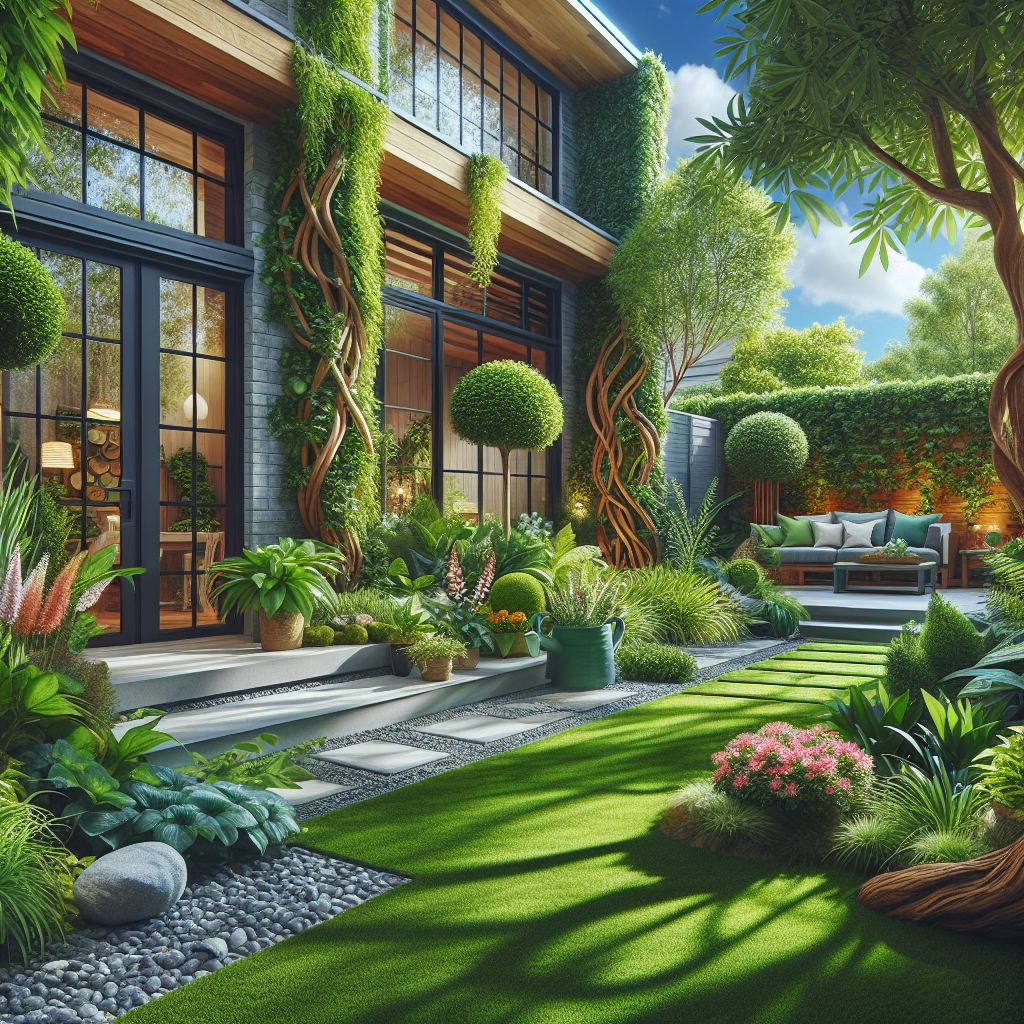
Why Choose Low Water Landscaping for Your Front Yard
Water-efficient yards help manage rising water costs and keep lawns looking neat during droughts.
Swapping thirsty grass for drought-tolerant plants offers less maintenance and can increase curb appeal.
Reducing water use also lessens runoff and supports eco-friendly living, which is a major benefit for families and communities.
Staying ahead of local water restrictions becomes much easier by planning a low water yard from the start.
Deciding What Stays and What Goes in Your Existing Yard
Walk through your current front yard and identify which plants thrive and which struggle even with plenty of care.
Areas shaded by trees may support different low water plants than full sun locations, so take note for future choices.
If you have an automatic sprinkler system, check if it can be adjusted for more efficient watering or needs updating to drip irrigation.
Consider which hardscape elements—a walkway, rocks, or edgers—could remain to reduce project waste and cost.
Top DIY Steps for Reducing Water Use in Your Front Yard
- Mulch all planting beds with 2 to 3 inches of bark or gravel mulch to reduce evaporation and prevent weed growth.
- Replace small grass patches with sturdy groundcovers like creeping thyme or silver carpet for greenery with less water.
- Choose native shrubs and perennials—like lavender, salvia, or blue fescue—that thrive with minimal irrigation.
- Install a simple drip irrigation kit, like those from Rain Bird or Orbit, to deliver slow, deep watering right to plant roots.
- Group plants together in zones based on similar water needs to make irrigation more efficient.
Tackling these straightforward updates over a weekend makes a visible impact without major investment.
When Professional Landscaping Services Are Most Valuable
If you are redesigning your entire front yard, working around mature trees, or want a mix of hardscapes and plants, expert help is crucial.
Professional landscapers bring knowledge of soil preparation, drainage, grading, and can recommend the best low water plants for your ZIP code.
A qualified designer can draw a hydrozoned planting plan that prevents costly mistakes, wasted water, and mismatched aesthetics.
Installing permanent features such as flagstone walkways, dry creek beds, or in-ground irrigation is best left to those with specialized tools and training.
You can find a qualified landscaper any time you feel unsure about plant selection, layout, or large-scale yard construction projects.
Timing Your Front Yard Project for the Best Results
Plan your transition to low water landscaping for early spring or fall when temperatures are mild and new plants can establish roots.
In colder regions, mid-spring is ideal—after soil warms but before summer heat increases transplant stress.
Warm climates, like Southern California or Arizona, often favor autumn planting so roots set before next summer.
Planting in the right season can reduce water needs by up to 30 percent and improve long-term survival of your new landscape.
Regional Plant Picks for Successful Low Water Yards
- Pacific Northwest: Oregon grape, ceanothus, Lewisia, rockrose, and rhododendron all look great and need less water.
- California and Southwest: Use agave, California poppy, manzanita, red yucca, rosemary, and deer grass for color and texture.
- Midwest: Consider prairie dropseed, coneflower, butterfly weed, serviceberry, and blue grama grass for a meadow vibe.
- Southeast: Try dwarf yaupon holly, muhly grass, santolina, black-eyed Susan, and coreopsis for reliable performance.
- Northeast: Opt for inkberry, mountain laurel, sweetfern, bluestar, and little bluestem for native flair and resilience.
Visit a local nursery or extension service for direct advice on additional low water plants proven to thrive in your town.
Basic Maintenance for Your New Low Water Front Yard
Water new plants more often the first season, then reduce frequency as roots spread out.
Regularly check mulch layers and top them up each season to block weeds and retain moisture.
Prune and deadhead drought-tolerant plants as needed to keep them healthy and looking their best.
Limit fertilization since many low water plants, especially natives, need few nutrients to thrive.
If you are unsure how to care for a particular plant or have recurring problems, ask your landscaper for seasonal maintenance guidance.
Budgeting for a Low Water Front Yard Transformation
DIY updates like mulching, limited grass removal, and planting a few groundcovers can often be done for under 1000 dollars for a small front yard.
Professional landscape design and installation, including hardscaping or irrigation, typically ranges from 3500 to 15000 dollars depending on project size and materials.
Annual maintenance services for low water landscapes often cost less than those for high-water lawns, averaging 50 to 150 dollars per month.
Compare bids from several landscapers to ensure a fair price and clear understanding of ongoing care requirements before you commit.
Transforming Curb Appeal and Property Value with Expert Help
Choosing the right plants, layout, and hardscape not only saves water but can visibly boost your home’s market value.
Professionally designed front yards often pay for themselves in home appreciation and lower annual costs.
Landscapers help prevent expensive mistakes—like incorrect irrigation or poor plant placement—that can lead to dead plants and wasted money.
Customized landscape plans from local professionals will match your home’s style and climate, ensuring a beautiful, easy-to-maintain space for years.
Making Sustainable Choices with Mulch, Stones, and Hardscape
Upgrade your curb appeal and lower your water bill by using natural stone, decomposed granite, or gravel between planting beds.
Permeable paving options, like TRUEGRID or Belgard pavers, allow rainwater to soak into the soil rather than run off into the street.
Strategic placement of large rocks or boulders adds visual interest and helps reduce the area needing irrigation.
Mulch from local suppliers, such as Kellogg Garden Organics, works well to moderate soil temperature and stop weeds before they start.
Mixing organic mulch with decorative gravel creates striking contrasts and gives your yard a designer finish with little effort.
Selecting and Placing Drought-Tolerant Groundcovers
Replace large turf areas with groundcovers that stay green longer on little water and need far less mowing than grass.
Some top choices include Dymondia margaretae (silver carpet), Sedum (stonecrop), Arctostaphylos uva-ursi (bearberry), and creeping juniper.
In warm climates, trailing lantana and trailing rosemary make lush, spreading carpets that attract pollinators and need little care.
In more temperate areas, Irish moss, creeping phlox, and ajuga are excellent water-wise options for part-shade or filtered sun spaces.
Plant groundcovers in staggered patterns to quickly fill space, blocking weeds and reducing exposed soil that loses moisture.
Understanding the Role of Irrigation Upgrades
Switching from overhead sprinklers to drip irrigation can cut your water use by up to 50 percent and target the exact root zones of your plants.
The latest smart controllers from Hunter or Rachio adjust watering based on local weather data, so you do not waste water on rainy days.
Professional installation of these systems ensures correct emitter spacing and pressure so each zone gets just the right amount of moisture.
If you are unsure how to upgrade, certified irrigation specialists make recommendations for your property size and slope.
Annual checks and system tune-ups extend the life of your system and help catch leaks early.
Design Ideas for a Front Yard That Stands Out
Create interest by mixing plant heights, textures, and colors, layering taller grasses and shrubs behind lower growing perennials and groundcovers.
Construct curved planting beds instead of straight rows to make your yard feel larger and more welcoming.
Accent your design with focal points such as a colorful ceramic urn, decorative bench, or a pathway of polished river rock.
Use low-voltage landscape lights from brands like Kichler or Volt Lighting to illuminate dramatic plants or architectural features at night.
Incorporate seating areas surrounded by low-maintenance plantings to encourage relaxation and time outdoors.
How to Maintain a Beautiful Low Water Yard Year-Round
Check irrigation lines each season to make sure there are no clogs, leaks, or damaged hoses that could raise your water bill.
Refresh mulch and gravel annually and trim any overgrowth or faded flower spikes to keep your yard looking new.
Spot-treat any new weeds that sprout with hand pulling or a targeted, eco-friendly herbicide like EcoSMART or Doctor Kirchner.
Monitor for pests and disease, but avoid routine spraying since most low water plants are tough and need little intervention.
Plan one or two days a month for minor cleanup—you will spend less time and save on future maintenance costs.
Recognizing When You Need Professional Landscaping Help
If your front yard has difficult slopes, drainage problems, or hard-to-remove turf, it is best to call a landscaper for safe, effective solutions.
Trying to match a complex style or install a rain garden, swale, or French drain will often require expert grading and material selection.
Professional landscape companies understand local code requirements so you avoid fines or issues with irrigation or tree placement.
When you are ready for full design and installation, you can connect with local landscaping professionals to make your vision a reality.
Investing in professional services upfront almost always leads to lower long-term maintenance and a yard that stands out from your neighbors.
Maximizing the Benefits of Water-Efficient Landscapes
Low water yards save homeowners hundreds of dollars yearly on water bills and often qualify for city-sponsored rebates or incentives.
Landscapes tailored to your climate are less likely to struggle in periods of drought or water restrictions.
Native and drought-adapted plants support pollinators, birds, and other beneficial wildlife, making your front yard part of the local ecosystem.
By choosing water-smart features, you are also boosting your home’s resale value in competitive real estate markets.
When designed and installed with care, a low water front yard is both practical and stunning year after year.
Planning for Growth and Long-Term Beauty
Anticipate how your plants will grow and mature over the years to prevent overcrowding and maintenance headaches down the road.
Spacing plants at their full-grown width means you will not have to relocate them later or deal with excess pruning.
Including a mix of evergreen and deciduous species ensures year-round interest, so there are always colors and textures in your front yard.
Using slow-growing or compact cultivars like Little Ollie olive, dwarf fountain grass, or Salvia greggii minimizes trimming and keeps shapes tidy.
Leave open areas for annual wildflowers or bulbs for changing seasonal displays without redesigning your landscape each year.
How to Get the Most from Professional Landscape Design
An experienced landscaper begins with a site analysis, taking note of sun, shade, soil, and slope to create a plan that works—not just looks good on paper.
Pro designers incorporate proper drainage solutions and choose plants proven to do well in your region, eliminating trial and error.
They offer creative touches like integrated lighting, custom borders, or rainwater harvesting that can transform your yard from basic to breathtaking.
Ongoing partnerships with a professional help you adapt your garden to changes, whether you want to add a butterfly zone, upgrade walkways, or refresh plantings after a tough winter.
For dramatic results and long-lasting value, trust pros to manage installation, irrigation layout, and follow-up care visits as your yard matures.
What to Discuss with Your Landscaper Before Starting
Review your budget, priorities, and how much time you plan to spend outdoors to make sure the design fits your lifestyle.
List any must-have features like paths, seating, lighting, or pet-friendly spaces, so your landscaper can blend them into the plan from the start.
Ask about water-wise alternatives for any high-water favorites you are reluctant to lose—a pro can point to lookalike plants with better performance.
Clarify who will do weekly, seasonal, or annual maintenance to keep your low water yard thriving and looking sharp year after year.
If you have kids or allergies, share any plant concerns so your designer can recommend non-toxic, low-pollen options for safety and comfort.
Preparing Your Front Yard for a Professional Makeover
Clear out weeds, turf, or unwanted plants ahead of time to reduce labor costs and give your landscape team a clean slate to start from.
Share photos, inspirational clippings, or Pinterest boards with your designer so they understand your tastes and goals.
Express any worries about drainage, privacy, or neighborhood guidelines at your first meeting to avoid surprises.
Timing your project around the seasons and contractors schedules will ensure new plants get the best chance to root and thrive with minimal water.
Open communication with your landscaper will lead to a custom result tailored to your home’s unique needs.
Partnering with Local Experts for Lasting Results
Choosing a landscaping professional who knows your soil, weather, and native plants ensures your low water front yard will look great for years.
Local landscapers understand city incentives or rebates, so you can take full advantage of money-saving programs as you upgrade your property.
Working with a pro gives you access to commercial-grade materials, custom options, and guarantee-backed work for added peace of mind.
Visit local demonstration gardens or public plantings to see your designer’s plant recommendations in action before finalizing choices.
Whenever possible, opt for a company with strong reviews, clear credentials, and expertise in drought-tolerant designs for the best outcome.
Supporting Wildlife and Eco-Friendly Living
Low water landscapes can provide vital habitat for pollinators with flowering plants like milkweed, coneflower, or blanketflower.
Adding a bird bath, bee hotel, or butterfly plant zone increases urban biodiversity and brings your yard to life through all four seasons.
Minimizing chemical inputs supports soil health, allowing beneficial insects and microbes to establish a more balanced ecosystem.
Using native plants encourages resilience, since they have natural defenses and require less treatment or intervention.
Professional landscapers can include wildlife-friendly features such as natural stone stacks, wildflower meadows, or water-wise hedges to enhance habitat value.
Celebrating Your Yard’s Transformation and Recommending Next Steps
A low water front yard does more than save resources—it boosts your pride of ownership, greets guests with beauty, and makes life outdoors more enjoyable.
Share your success and photos of your transformation with friends and neighbors to inspire others to choose sustainable landscaping options.
If you are ready to ensure expert design, efficient installation, and lasting beauty, consider reaching out to a specialist who can deliver the results you want.
For best outcomes and peace of mind, you can find a qualified landscaper through Good Stuart and turn your water-smart dream front yard into reality.
Find Local Landscaping
Need professional help? Find trusted landscaping in your area.
If you run the business
There is public work in your trade out to bid right now.
Schools, cities, counties and housing authorities buy what you sell, on multi-year contracts, through public bids most companies never see. We find the ones you could win, tell you why each one fits, and write the response. You price it and you sign it.
Twenty minutes. You'll see what's open right now for a business like yours, and you'll know whether it's worth chasing. No obligation either way.